Great ski conditions aren’t dictated by snowfall alone. Some of the most enjoyable days come not from storms, but from planning, technology, and a little help from Mother Nature.
While natural snow is magical, snowmaking is dependable. Together with precision grooming, it’s the “secret” behind how ski resorts can consistently deliver excellent conditions all season long. And it’s all executed under the cloak of darkness. After the lifts stop spinning and before first chair, teams are quietly building, shaping, and preserving the snow beneath your boots.
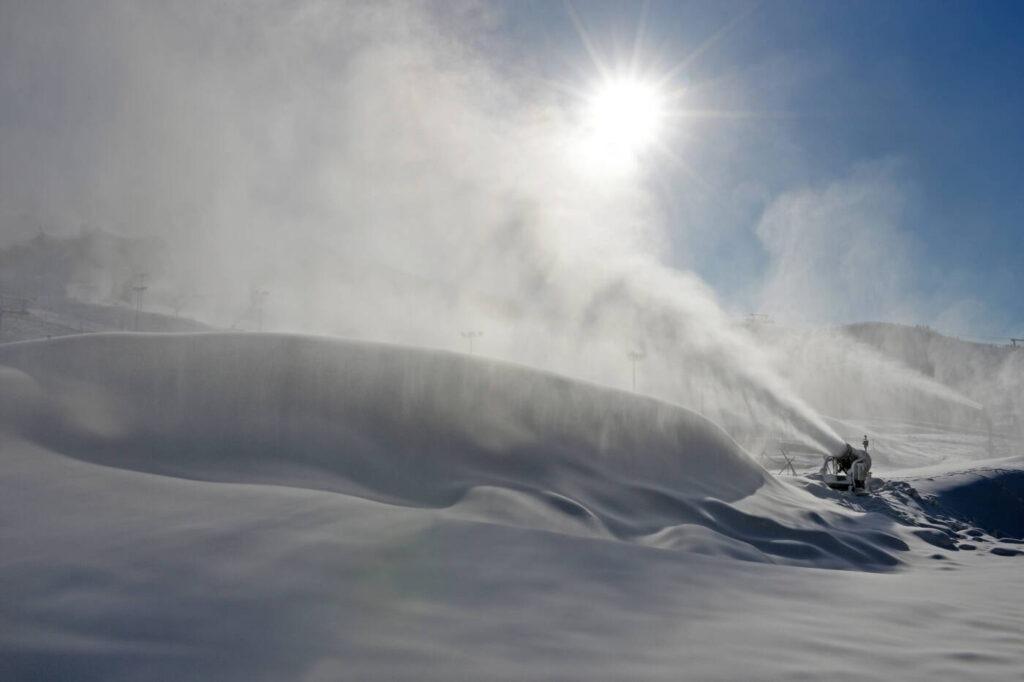
Machine-made snow is really real snow. It’s just engineered to be denser and more durable than natural snowflakes. These tiny, compact spheres pack more resistance to warm spells and skier traffic, providing a reliably good surface day after day.
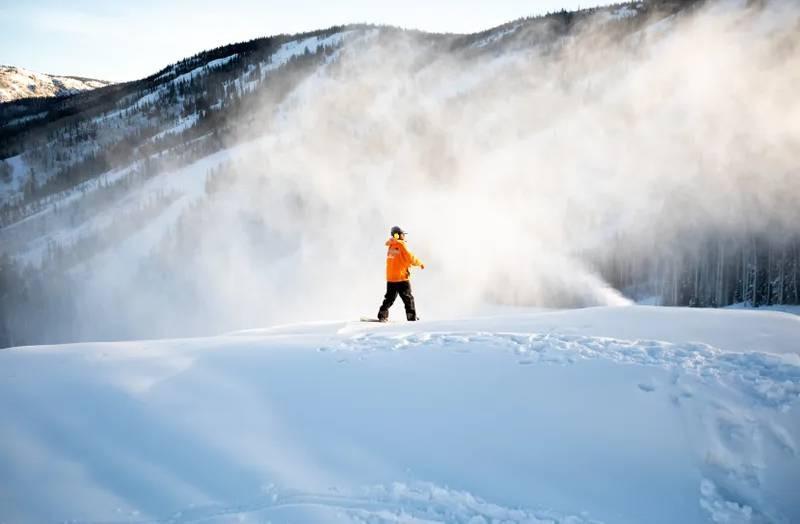
Modern snowmaking is a precision science. High-tech guns, automated systems, and real-time monitoring let crews build and preserve coverage efficiently whenever weather allows. The equipment turns cold air into snow with astonishing consistency.
By combining pressurized water and air when temperatures dip into the high 20s or below, resorts create dense snow crystals that form the backbone of the season. This foundation melts more slowly and resists traffic, setting the stage for smooth, predictable runs even when natural snowfall is light. So, when nature does deliver, that powder layers beautifully on top of this solid base.
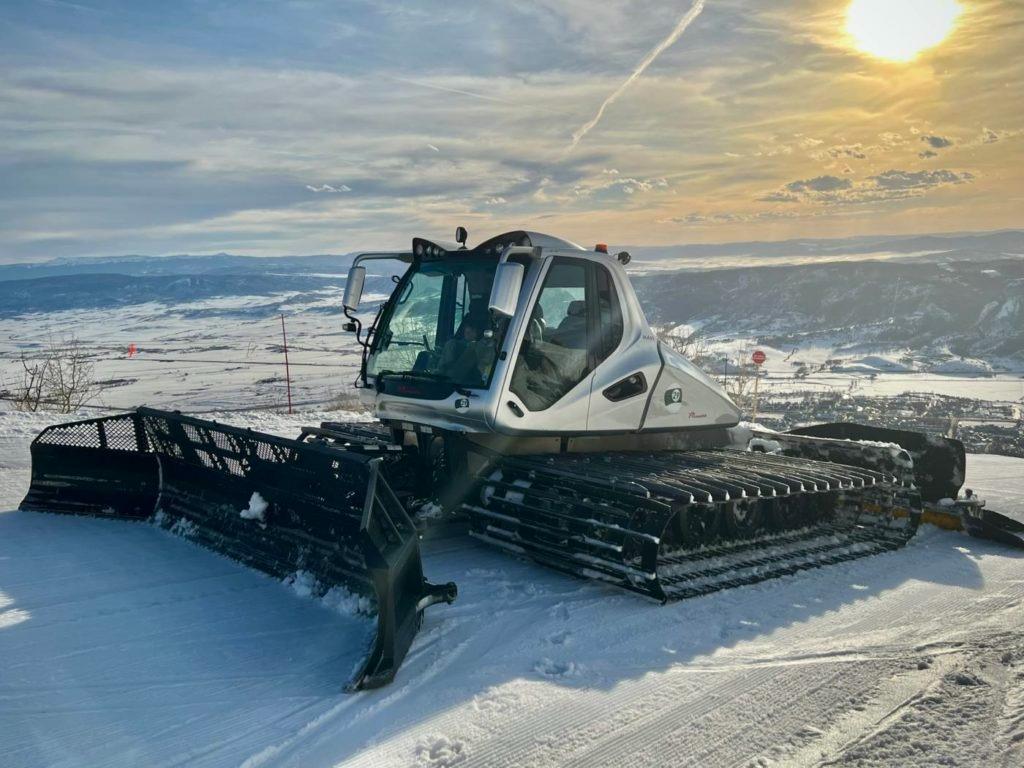
If the snow guns build the foundation, the groomers are the designer team. While skiers are settling in for the night, the grooming crews head out for the night shift. Using GPS-guided snowcats and precision tillers, teams reshape trails, manage snow depth, and refresh the surface. The tillers break up ice and create that signature corduroy that cools and “sets up” overnight so the first run feels as good as it looks.
Colorado’s ski resorts can consistently deliver great skiing because of the scale, strategy, and tech behind their snowmaking systems. Here’s a snapshot of why our four favorite mountains - Steamboat, Breckenridge, Vail, and Beaver Creek - can keep conditions strong.
Steamboat
Steamboat has significantly expanded its snowmaking footprint over the past couple of years, including major upgrades on Sunshine Peak that give crews more capacity to build consistent early and mid-season coverage.
Breckenridge
Breckenridge’s advanced snowmaking system featuring new snowmaking guns with built-in weather sensors, spans approximately 617 acres of terrain, helping open and maintain coverage across multiple peaks.
Vail
Vail has one of the most extensive snowmaking networks in North America, with hundreds of guns and miles of pipe covering roughly 60% of key terrain. This system gives teams huge capacity to build a strong base and reinforce coverage throughout the season.
Beaver Creek
Beaver Creek’s snowmaking covers around 680 acres. That infrastructure, paired with the resort’s naturally high average snowfall, helps ensure excellent conditions.
Between ultra-dense base layers built by snowmaking systems and the precision of nightly grooming, resorts aren’t just waiting for winter, they’re making it.